


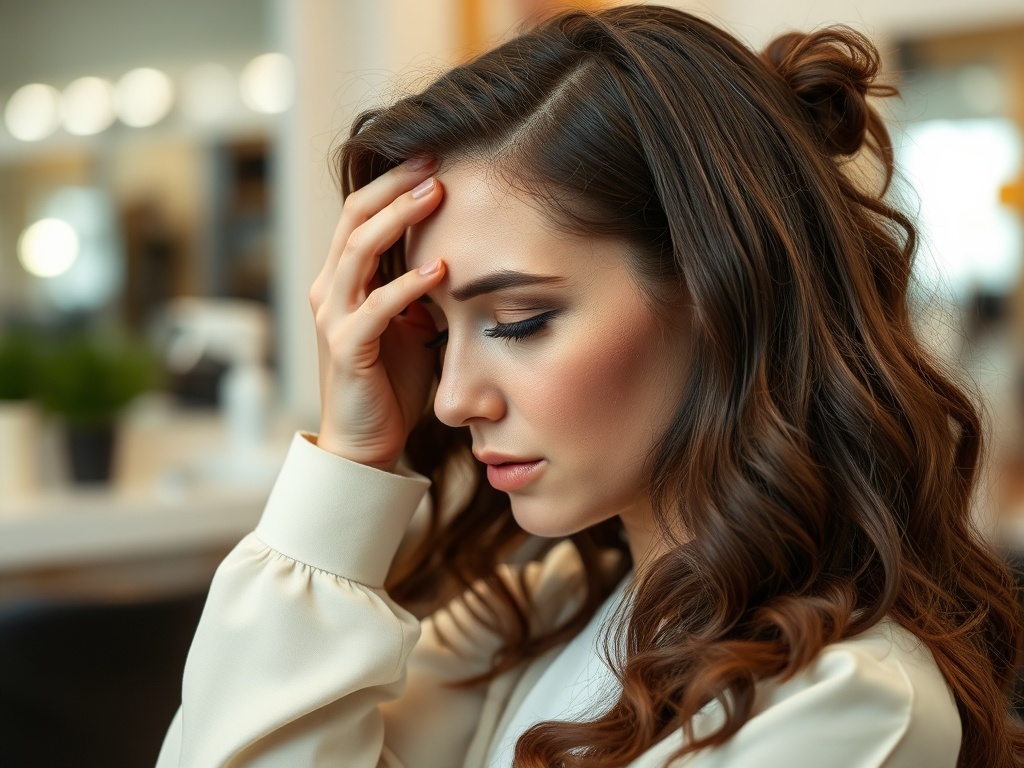
Goodbye Itch: The Ultimate Guide to Hair Color for Sensitive Skin
Understanding Sensitive Skin: What Makes Hair Coloring a Challenge?
That burning, itching sensation after coloring your hair? If you have sensitive skin, you know it all too well. Hair coloring can be a minefield for reactive skin, as the chemicals involved can trigger inflammation, dryness, and a whole lot of discomfort. But why? The answer lies in understanding the delicate balance of your skin’s barrier and how certain ingredients can disrupt it.
Identifying Sensitive scalp and Skin Reactions: Symptoms to Watch For
It’s not always as simple as itchy scalp. Reactions to hair color can manifest in various ways. Look out for redness, burning, stinging, swelling, dryness, flaking, or even small bumps on your scalp, hairline, neck, or ears. Severe reactions can include blistering or difficulty breathing. If you experience any of these symptoms, rinse the dye immediately and seek medical advice.
Decoding Hair Color Ingredients: The Culprits Behind Irritation
Navigating the ingredient list on a hair color box can feel like deciphering a foreign language. Several ingredients are known irritants. Ammonia, PPD (paraphenylenediamine), PTD (paratoluenediamine), fragrance, and resorcinol are common offenders. Understanding which ingredients to avoid is the first step toward a more comfortable coloring experience.
- Ammonia: Opens the hair cuticle, but harsh.
- PPD/PTD: Dyes responsible for dark shades; allergy triggers.
- Resorcinol: Color developer, can be irritating.
Ammonia-Free Hair Color: Is it Really Gentler?
Ammonia-free hair color often promises a gentler experience, and for some, it delivers. These formulas typically use alternative alkaline agents to open the hair cuticle, like MEA (monoethanolamine). While MEA is less pungent than ammonia, it can still cause irritation for sensitive individuals. It’s important to remember that ammonia-free doesn’t automatically mean allergy-free.
PPD and PTD: Understanding These Common Allergens
PPD and PTD are dyes commonly found in permanent hair color, particularly darker shades. They are potent allergens, and reactions can range from mild itching to severe dermatitis. If you suspect a PPD allergy, look for PPD-free alternatives, though be aware that these may contain PTD or other related compounds that could still trigger a reaction. Always patch test!
The Best Hair Color Brands for Sensitive Skin: Expert Recommendations
While individual sensitivities vary, some brands are known for formulating with sensitive skin in mind. Look for brands that highlight their commitment to gentle ingredients, allergy testing, and customer feedback from those with sensitive skin. We utilize Oligo Professional Calura brand. But for extra safety (a patch testing is ALWAYS best).
Patch Testing: Your First Line of Defense Against Allergic Reactions
Never skip the patch test! Apply a small amount of the prepared hair color to a discreet area, like behind your ear or on your inner arm, 48-72 hours before coloring. Observe for any signs of irritation. A patch test won’t guarantee you won’t have a reaction, but it can significantly reduce the risk.
Pre-Coloring Preparations: Protecting Your Scalp and Skin
Before we apply your Calura color we prep your skin! We apply a barrier cream, a dedicated scalp protector, along your hairline and ears to prevent staining and reduce the risk of irritation. Avoid washing your hair for 24-48 hours before coloring, as the natural oils can act as a protective barrier.
Post-Coloring Care: Soothing and Maintaining a Healthy Scalp
After coloring, our stylist make sure that we rinse your hair thoroughly and use a gentle, sulfate-free shampoo and conditioner specifically designed for color-treated hair. We avoid harsh scrubbing or scratching your scalp. A soothing scalp treatment containing ingredients like aloe vera or chamomile can help calm any irritation.
What kind of shampoo and conditioner should I use after coloring my hair?
We use sulfate-free shampoos and a conditioner designed for color-treated hair. Sulfates are harsh detergents that can strip color and irritate sensitive scalps. Look for products with moisturizing and soothing ingredients like aloe vera, chamomile, or oat extract.
Finding a Hair Colorist Experienced with Sensitive Skin
Don’t be afraid to ask potential colorists about their experience with sensitive skin. Do they offer allergy testing? Are they familiar with gentler hair color brands? A consultation is essential. A good colorist will prioritize the health of your hair and scalp, not just the color result.
Common Allergens in Hair Dye
The most common allergens in hair dye include PPD (paraphenylenediamine), PTD (paratoluenediamine), ammonia, resorcinol, and fragrance. Always check the ingredient list before using any hair dye product.
Home Remedies to Soothe an Irritated Scalp After Hair Coloring
If your scalp is irritated after coloring, try these gentle remedies:
- Cool compress: Apply a cool, damp cloth to your scalp for 15-20 minutes.
- Aloe vera: Apply pure aloe vera gel to soothe and moisturize.
- Oatmeal rinse: Mix colloidal oatmeal with water and apply to your scalp to reduce itching.
- Apple cider vinegar rinse: Dilute apple cider vinegar with water and use as a final rinse to restore the scalp’s pH balance.
Can I Still Cover Gray Hair if I Have Sensitive Skin?
Absolutely! Covering gray hair with sensitive skin requires a strategic approach. Opt for demi-permanent or semi-permanent colors, which are gentler than permanent dyes. Consider a root concealer or tinted dry shampoo for in-between touch-ups to minimize frequent coloring sessions. It may require more frequent coloring. Please feel free to book in a free consultation with one of our stylists if you feel you may need special care.
How Often Can I Color My Hair if I Have Sensitive Skin?
The less frequent, the better. Aim to extend the time between coloring sessions as much as possible. When you do color, focus on root touch-ups to minimize the amount of dye that comes into contact with your scalp.